IPAS4VIPs –
Blind Kayaking
An assistive kayaking project designed to enable visually impaired paddlers to navigate more independently and safely on the water.

ASSISTIVE KAYAKING · COMPUTER VISION · INCLUSIVE SPORT
Summary
IPAS for VIPs is an assistive kayaking project designed to enable visually impaired paddlers to navigate more independently and safely on the water.
Developed in close collaboration with an enthusiastic blind kayaker, the solution combines smartphone-based computer vision, a trained AI model, and Bluetooth audio guidance to provide real-time directional support during kayaking sessions.
The project originated from practical experience on the Isar, where voice guidance and headsets proved helpful but limited in accuracy, sustainability, and acoustic localization. By using a visual reference point mounted on a leading kayak, the app calculates relative distance and angle, then communicates navigation instructions through a speaker system.
What began as a low-budget, user-driven prototype has evolved into a widely supported initiative, with interest from paddling organizations, boat manufacturers, makers, and inclusive sports communities.
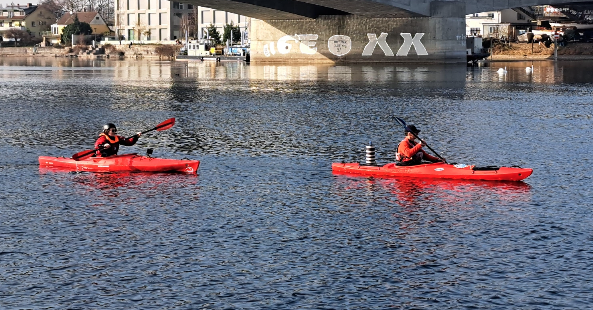
The system is now used regularly and has been presented and tested at several water sports events, demonstrating its potential to improve accessibility, independence, and participation in kayaking for visually impaired people.
IPAS for VIPs enables visually impaired people to paddle in a solo kayak with a sighted guide as a form of rehabilitation, a recreational activity, or a competitive sport.
IPAS for VIPs offers national paddling associations, kayak schools, and kayak clubs a smart and engaging tool to implement inclusive paddling programs for visually impaired paddlers and to train more sighted paddlers to become guides for blind kayaking.
Project Background
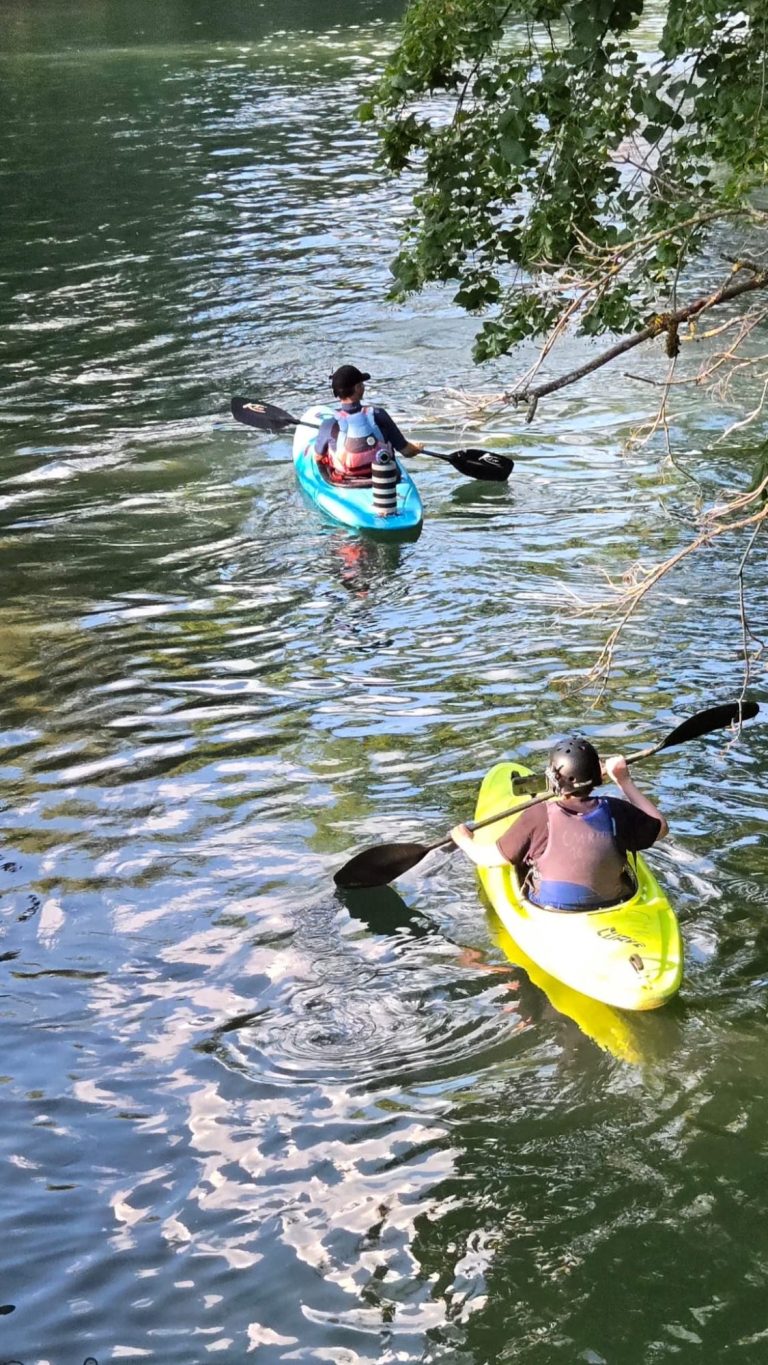
I have been a member of the Munich canoe and kayak club CMK for many years, where I first met a visually impaired paddler who has since developed a strong passion for kayaking.
We initially paddled together on the Isar in a tandem kayak. It soon became clear, however, that she wanted to paddle independently in a single kayak.
In the early stages, I paddled ahead and guided her using voice instructions. By following my commands and the direction of my voice, she was able to determine my position and follow my route. This method worked, but it also had clear limitations - most notably, it often left me hoarse by the end of a session.
Our kayak club subsequently donated headsets, which improved communication in noisy environments and made commands easier to understand, particularly warnings about hazards such as branches or swans. At the same time, the headsets made acoustic localization more difficult.
We then explored the App Store for suitable existing solutions, but none met our requirements. I therefore decided to develop a dedicated modern solution in close collaboration with her.
The result is an app called IPAS for VIPs – Intelligent Paddle Assistant for Visually Impaired Persons.
How IPAS4VIPs works
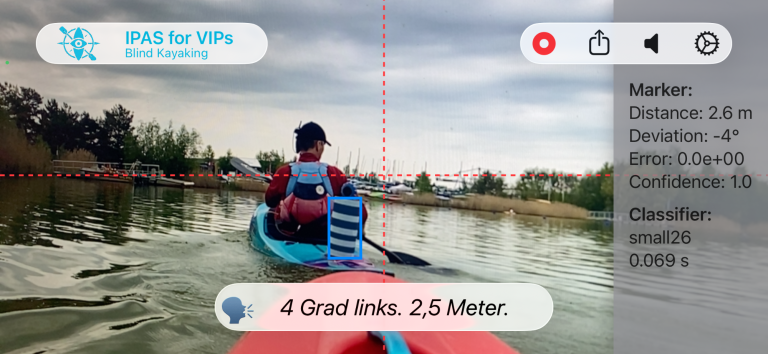
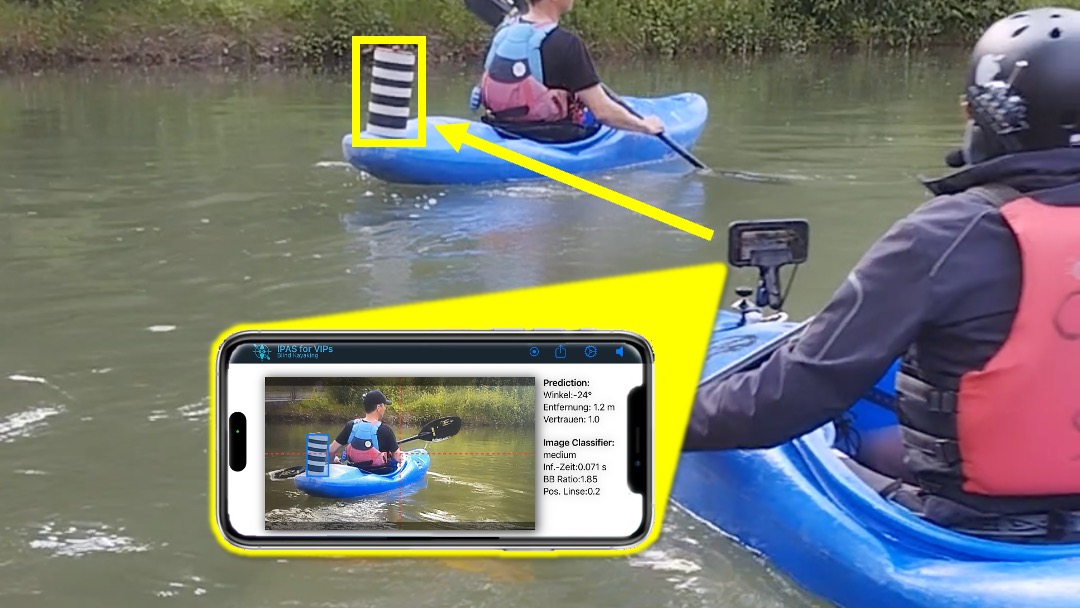
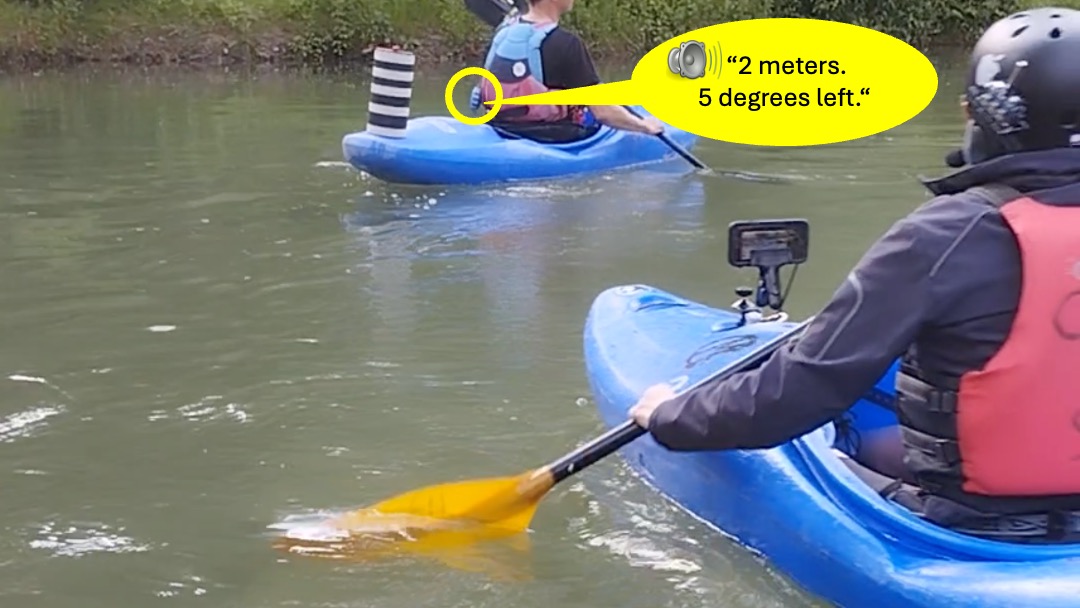
By using a visual reference point mounted on a leading kayak, the app calculates relative distance and angle, then communicates navigation instructions through a Bluetooth speaker system.
Smartphone-based vision
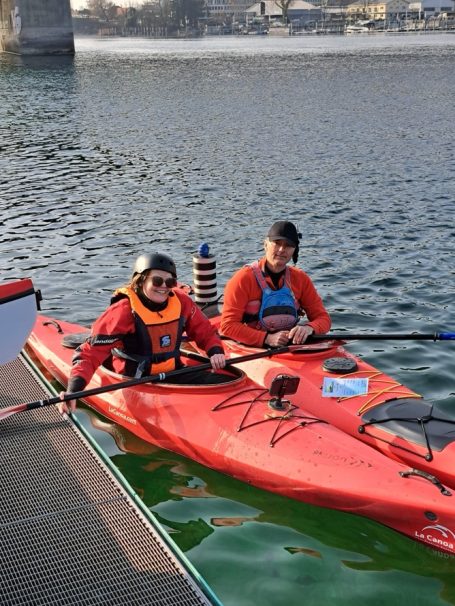
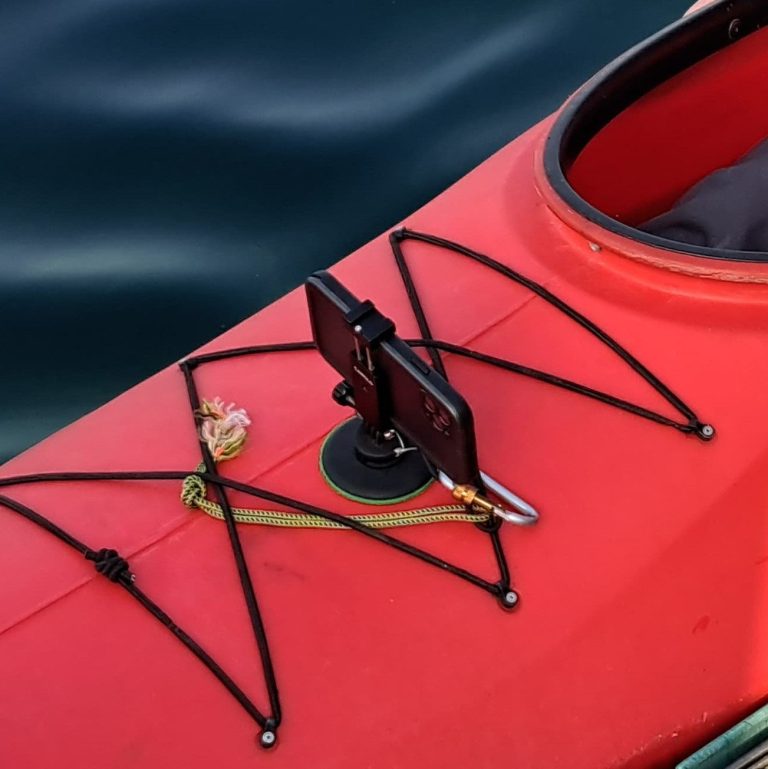
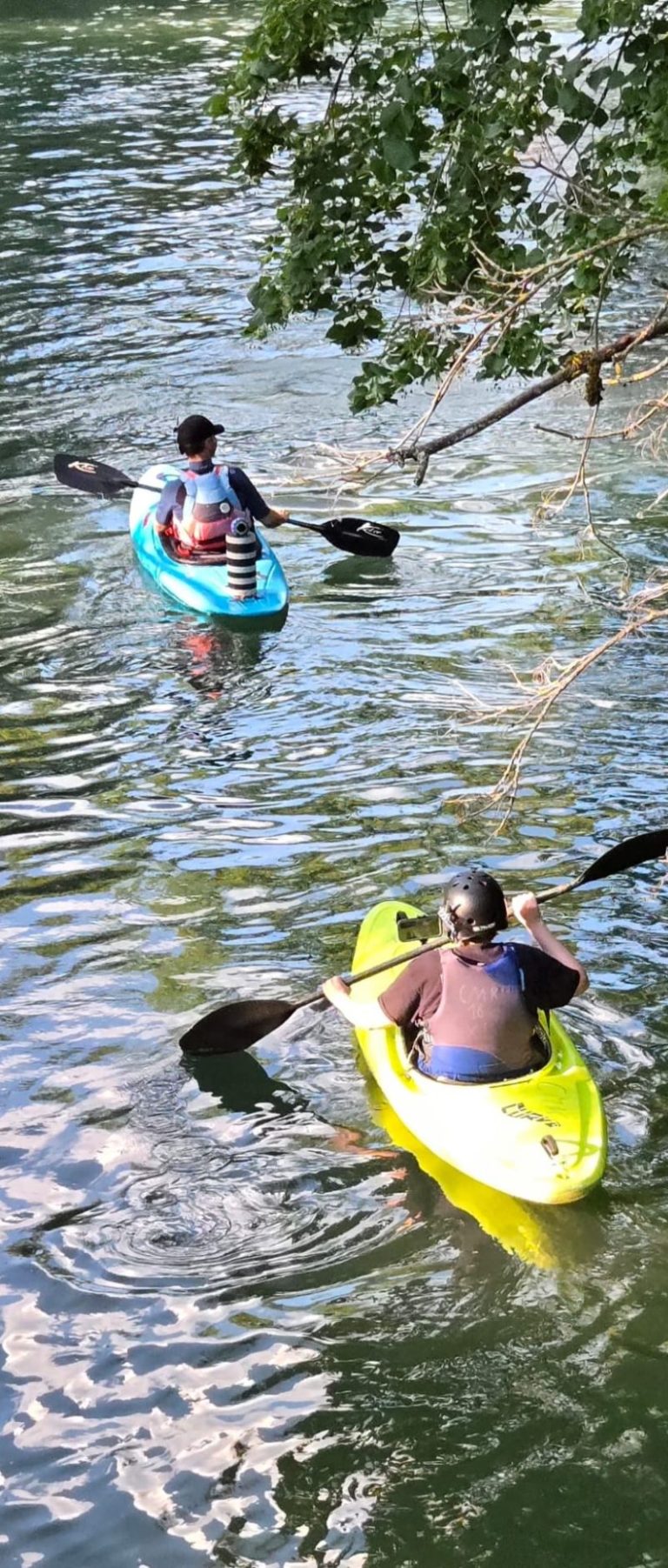
The app runs on a smartphone equipped with a high-quality camera, securely mounted at the front of the blind paddler’s kayak.
AI Object
Detection
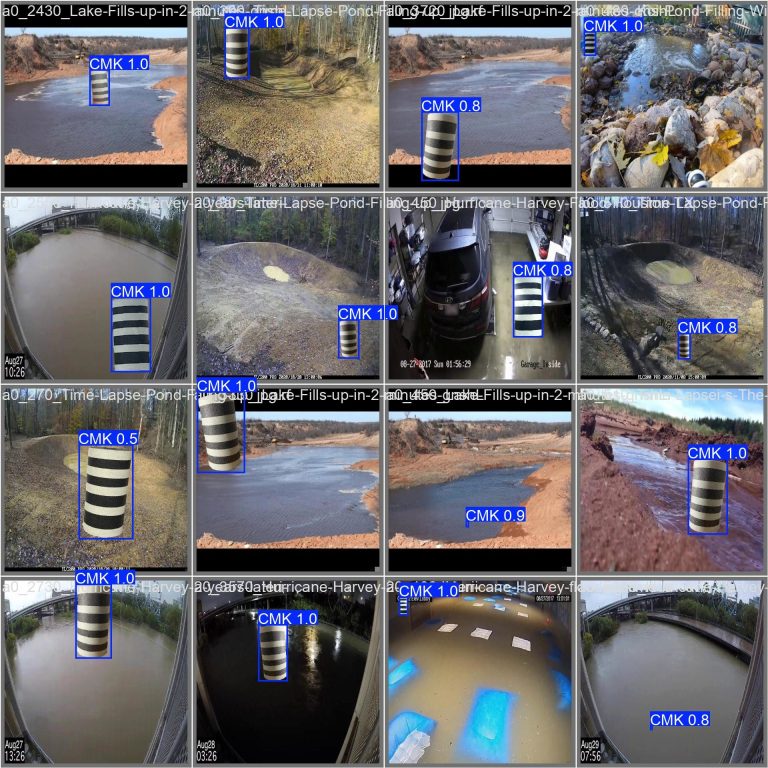
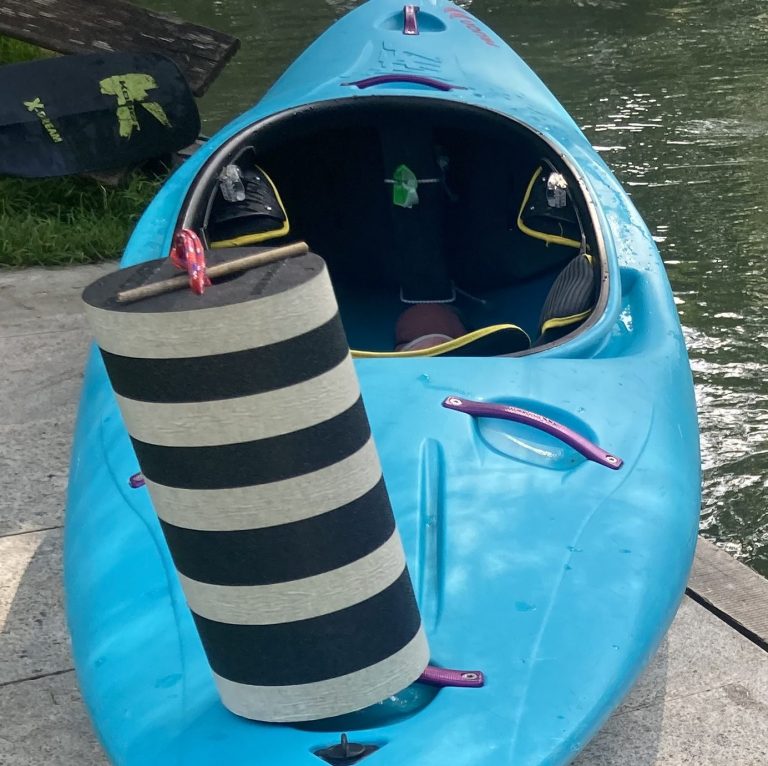
Using a specially trained AI model from Ultralytics, the app detects a foam roller marked with masking tape – a practical, low-cost solution.
Relative
Position
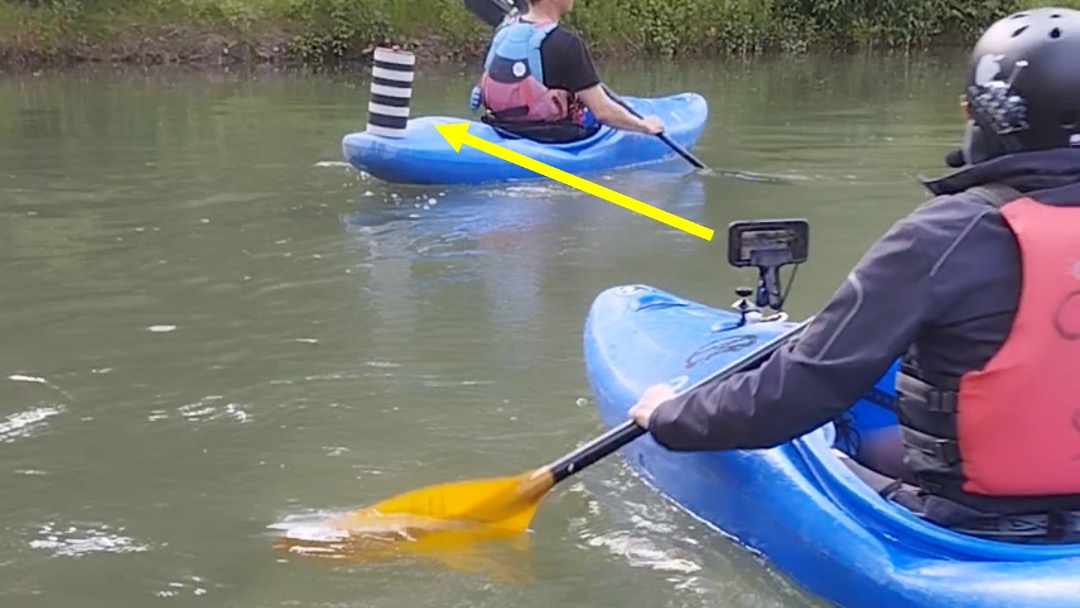
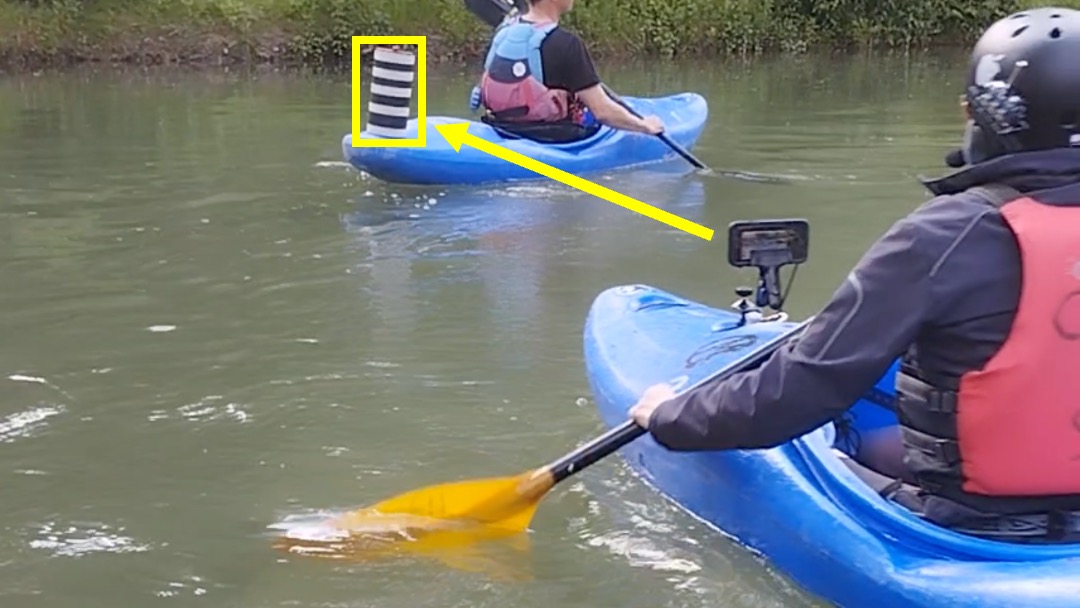
The roller is mounted at the rear of the kayak with the guide in front and serves as the app’s visual reference point. The app identifies the roller and calculates both the distance and angle between the roller and the smartphone.
Bluetooth
Audio
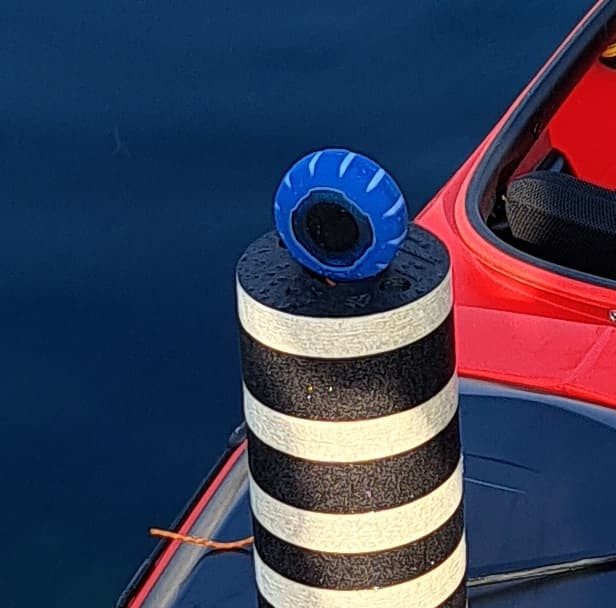
The resulting navigation instructions are transmitted via Bluetooth to a speaker mounted on the foam roller.
Recognition and Audio Generation Process
Field Use and Demonstration
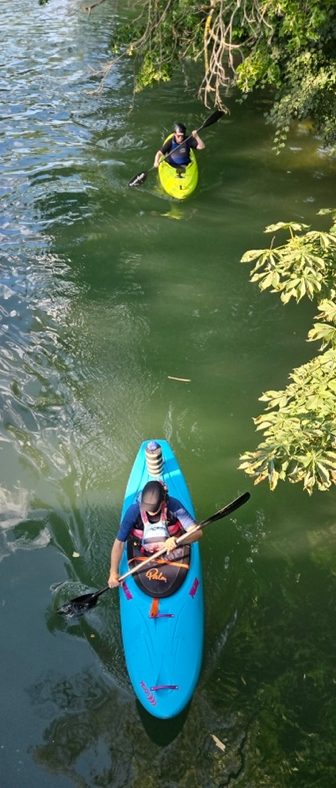
We now use the app regularly during kayaking sessions on the river Isar.
The system is continuously refined through practical field use on the river Isar and during wider demonstrations and tests.
Throughout the development phase, we received significant support from a wide range of individuals and organizations. For example, we were invited to present our concept at a boat trade fair, where the exhibition space was sponsored. This gave us the opportunity to showcase our prototype, including a simulation that allowed visitors to experience the system while wearing a blindfold.
Paddle Sport Show 2025
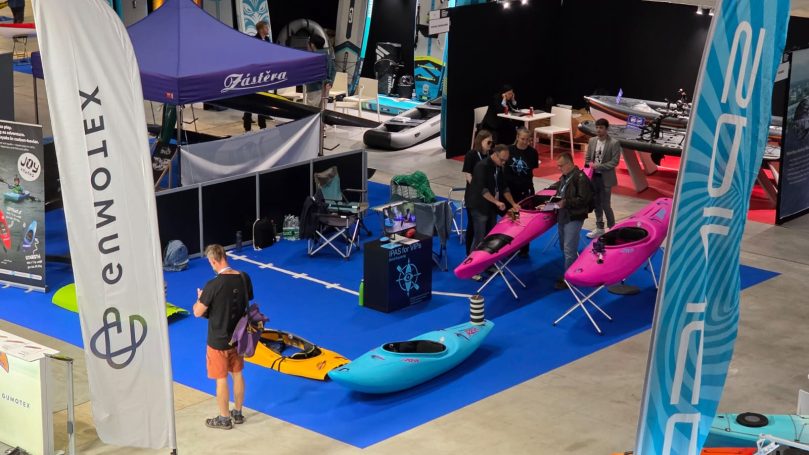
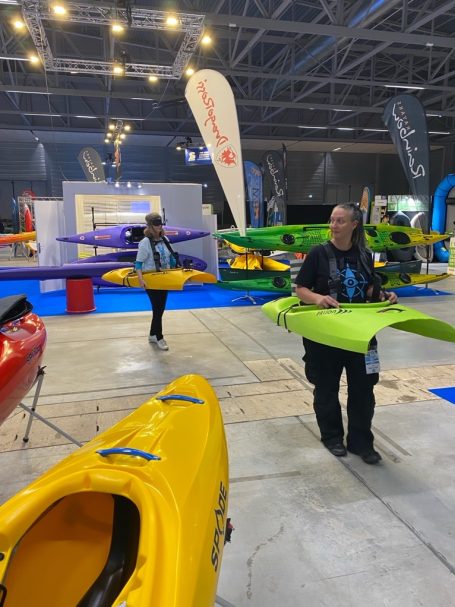
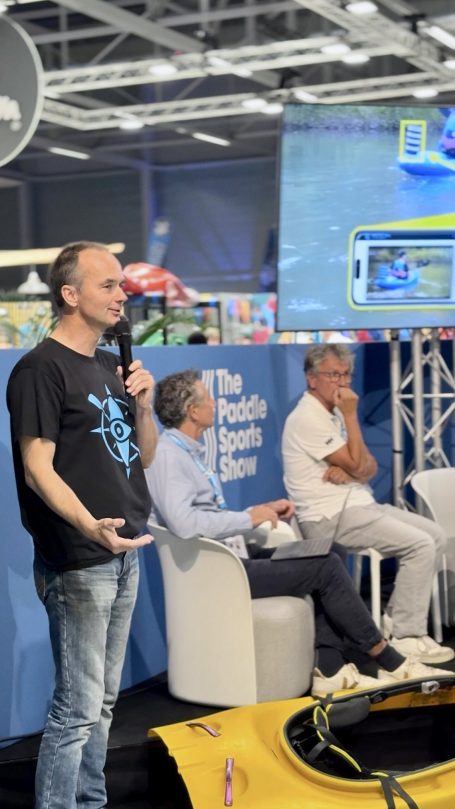
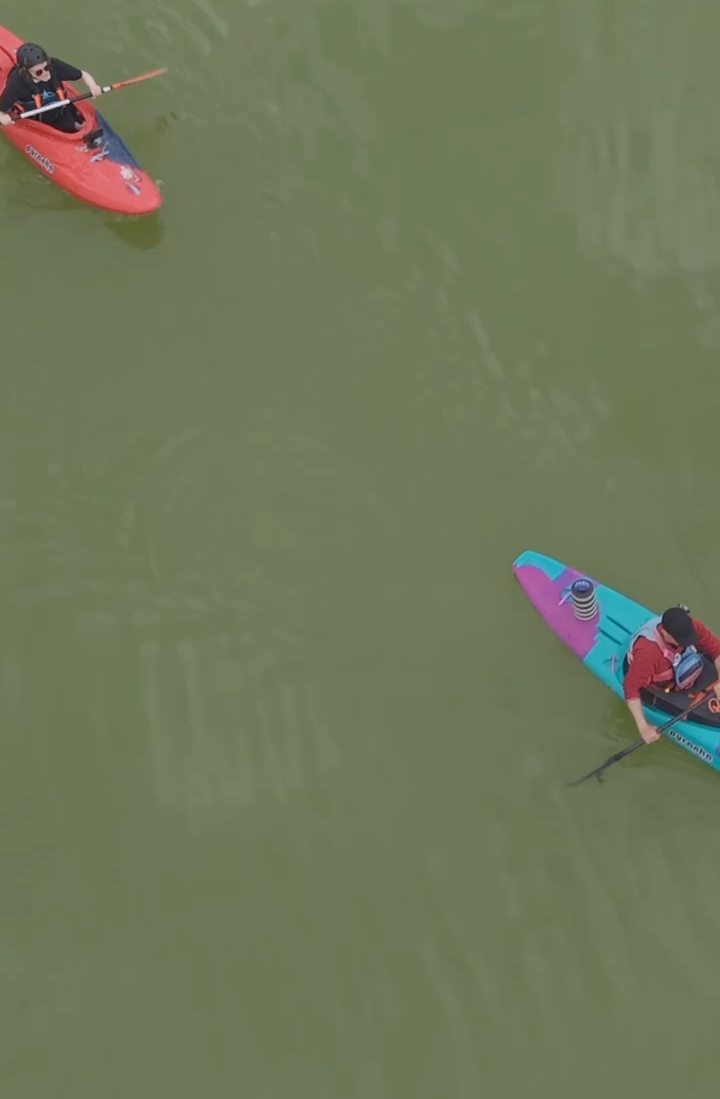
We had the chance to present at the Paddle Sport Show 2025 in Strasbourg including a dry-run simulation of IPAS4VIPs for trade fair visitors to try out themselves.
Since then, the project has continued to gain momentum, and it has been highly encouraging to see such broad interest, support, and goodwill from many different stakeholders. Our next events were the Inclusive Water Sports Day, organized by the German Canoe Association on May 1 at the regatta course in Oberschleißheim.
XXL Kayak Festival Markkleeberg 2026
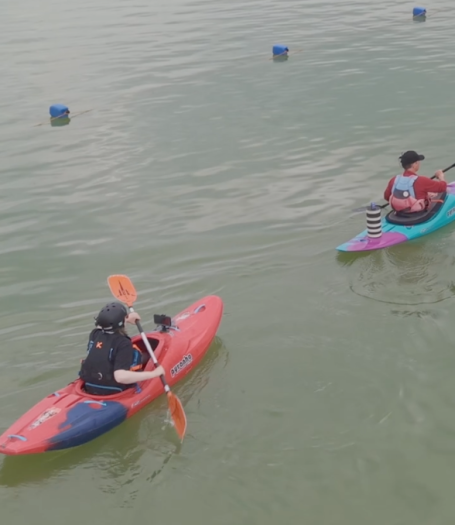
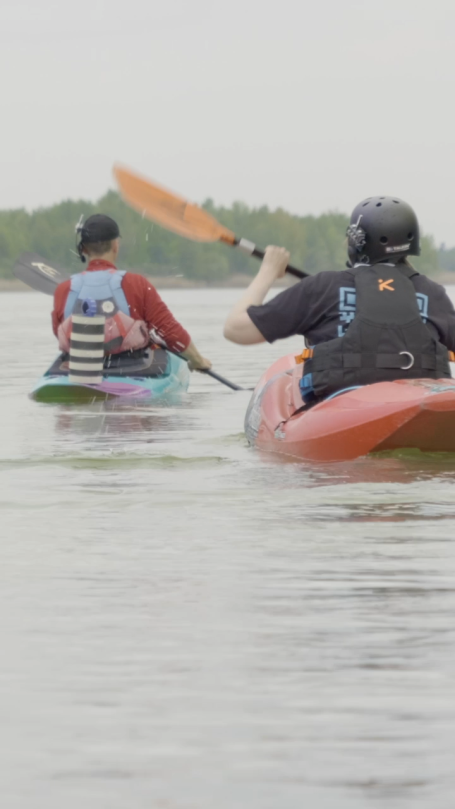
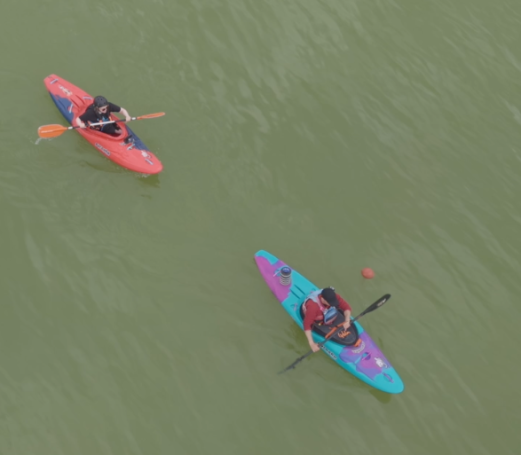
In spring 2026, we were invited to present the project at a paddling festival and also had the opportunity to test the system on the Rhine near Constance.